January 27, 2026
Choosing the right water heater for a home affects daily comfort, operating costs, and long-term performance. Hot water supports everything from bathing and laundry to cooking and cleaning, making this decision more significant than it may initially appear. Plumbing contractors play a vital role in guiding homeowners through available options, capacity considerations, and installation requirements so the final choice supports both current and future needs. With professional insight and careful evaluation, the process becomes clearer, which leads directly into how informed planning shapes the right water heater solution.
Understanding Household Water Demand
Determining household water demand is one of the first steps in choosing a water heater. The number of people living in the home influences how much hot water is needed each day, especially during peak usage times such as mornings and evenings. Multiple showers, appliance use, and sink activity can quickly strain an undersized unit. Plumbing contractors evaluate these factors carefully to help homeowners avoid systems that struggle to keep up with daily demand.
Usage patterns also matter as much as household size. Some homes experience steady water use throughout the day, while others see heavy usage during shorter periods. These patterns affect recovery rates and system performance. Plumbing professionals assess when and how hot water is used to recommend equipment that delivers consistent output without unnecessary strain on the system.
Future planning is another important consideration. Households may change due to new occupants or lifestyle adjustments that increase water usage. Accounting for these possibilities helps prevent premature replacement or costly upgrades later. Proper planning ensures the selected water heater continues to meet demand well beyond the initial installation.
Explaining Common Water Heater Types
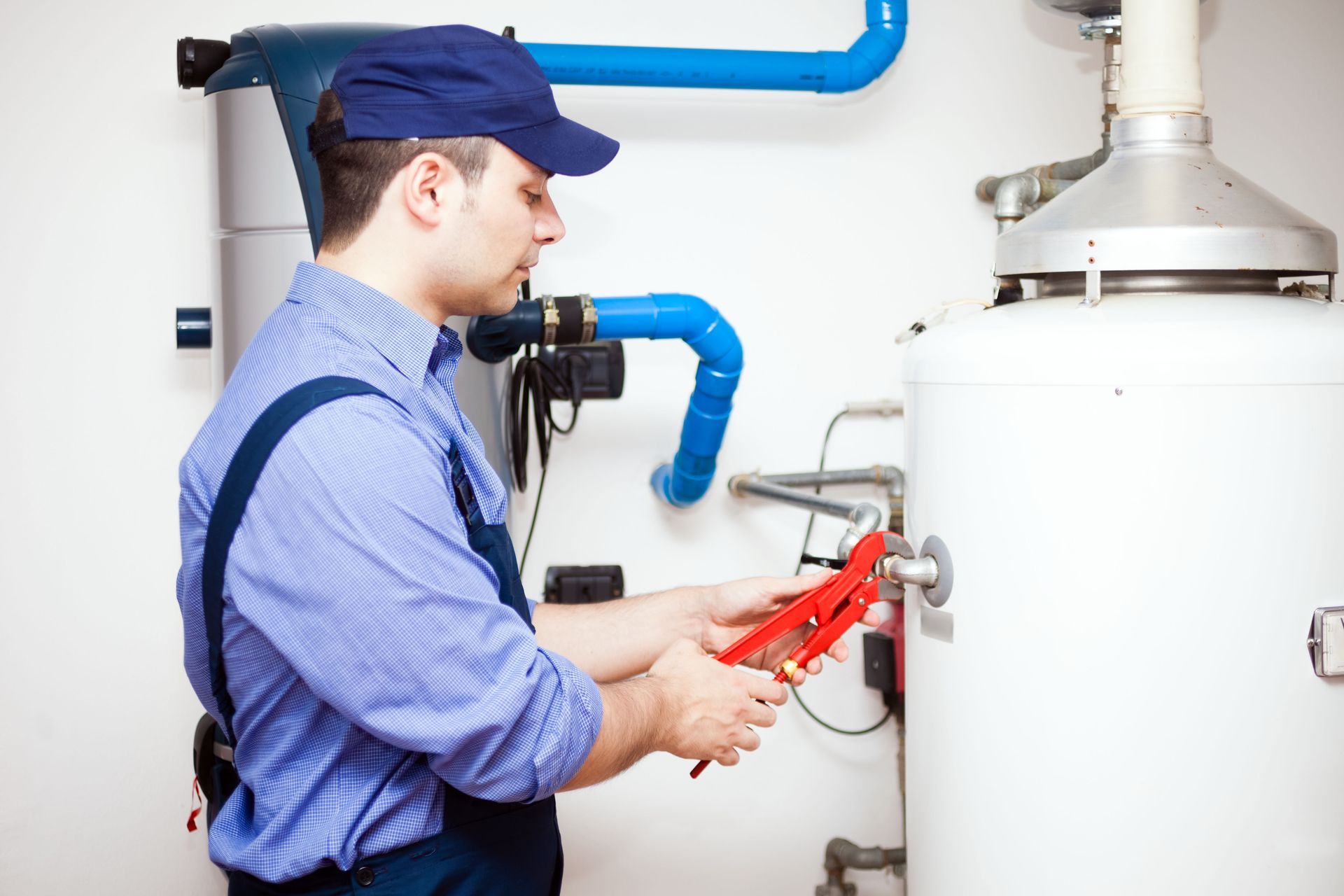
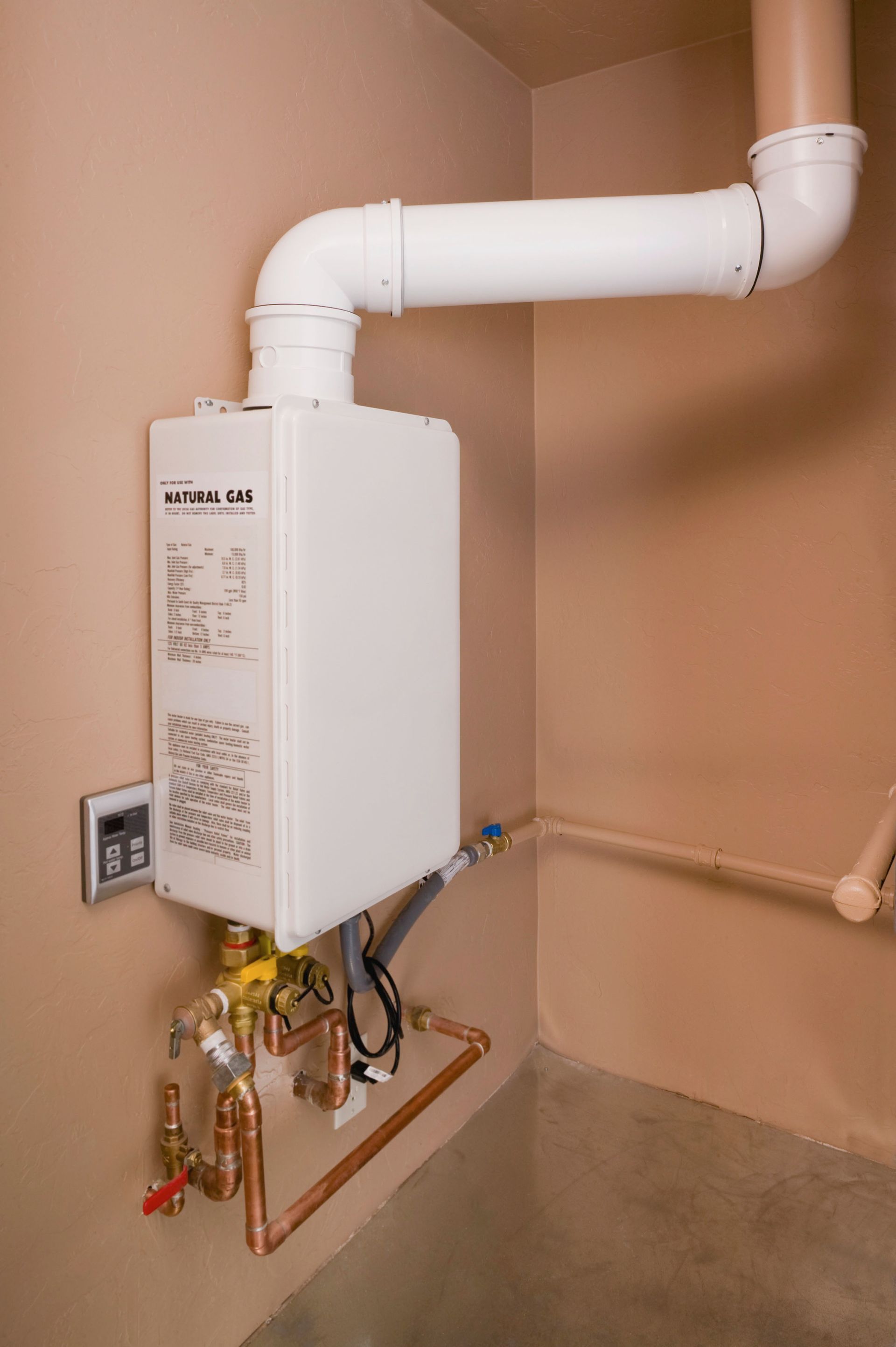
Water heaters are not one-size-fits-all systems, and understanding the differences between available options helps homeowners make confident decisions. Traditional tank-style water heaters store heated water until it is needed, making them a familiar and widely used option. Tankless water heaters, on the other hand, heat water as it flows through the system, providing hot water on demand without storing it in a tank. Plumbing providers explain how each option functions and how performance varies based on household usage.
Fuel sources also affect system performance and operating costs. Gas-powered water heaters are commonly used in homes with existing gas lines, while electric systems may suit properties without gas access. Gas fitting services are especially important when installing or upgrading gas-powered equipment, ensuring proper connections and safe operation. Plumbing contractors help evaluate which fuel source aligns with the home’s infrastructure.
Capacity is another critical factor. According to HomeGuide, many homes rely on tanks sized to handle moderate daily use, with common residential capacities falling into a practical range for families such as 40 to 50 gallons. Plumbing professionals translate these general guidelines into personalized recommendations based on real-world usage, rather than relying solely on averages.
Evaluating Efficiency and Long-Term Value
Energy efficiency plays a major role in the overall value of a water heater. Efficient systems use less energy to produce the same amount of hot water, which helps manage monthly utility costs over time. Contractors review efficiency ratings and operating characteristics to identify systems that balance performance and cost without unnecessary complexity.
Long-term value extends beyond energy use. Maintenance requirements, system lifespan, and repair accessibility all influence total ownership costs. Some systems require more frequent service, while others offer longer operating life with consistent care. Plumbing providers explain these differences clearly so homeowners understand what to expect after installation.
Cost comparisons should include both initial installation and ongoing expenses. While some systems may carry higher upfront costs, their efficiency and durability can offset those expenses over time. Plumbing contractors provide realistic expectations by outlining potential savings and maintenance considerations, allowing homeowners to make decisions based on long-term performance rather than short-term pricing alone.
Assessing Space and Installation Needs
Available space often determines which water heater options are feasible. Tank-style systems require sufficient room to accommodate the unit, while tankless systems typically take up less space and offer more flexible placement. Plumbing workers assess installation areas such as utility rooms, garages, or basements to ensure the selected system fits safely and efficiently.
Ventilation requirements are particularly important for gas-powered equipment. Proper airflow supports safe operation and helps maintain system efficiency. Gas line installation, repair, and maintenance services ensure that connections meet safety standards and support reliable performance. Plumbing providers manage these requirements to reduce risk and promote long-term reliability.
Existing plumbing infrastructure also affects installation complexity. Water piping, main water service connections, and interior drain layouts must support the new equipment. Plumbing professionals evaluate these systems in advance, helping avoid delays and unexpected modifications during installation.
Prioritizing Safety and Code Compliance
Safety considerations are central to any water heater installation. Local codes and regulations govern how systems must be installed, vented, and connected. Plumbing contractors stay current with these requirements, ensuring installations meet all applicable standards without compromise.
Proper installation reduces the risk of leaks, pressure issues, and system failure. Services such as main water services, pumps, and building interior drains must function correctly to support water heater operation. Plumbing providers coordinate these elements so the system operates as intended from day one.
Ongoing maintenance also contributes to safety. Regular inspections help identify wear, corrosion, or performance issues before they escalate. Contractors emphasize proactive care as part of responsible system ownership, helping homeowners protect both their property and their water supply.
Coordinating Related Plumbing Systems
A water heater does not operate in isolation. Its performance depends on the condition of connected plumbing components throughout the home. Faucets, toilets, and water piping all influence water flow and pressure, which in turn affect heater efficiency. Plumbing contractors review these elements to ensure compatibility and smooth operation.
Gas appliance installation and repair services may also intersect with water heater projects, especially in homes that rely on gas-powered systems. Outdoor gas services and gas line maintenance support safe fuel delivery and consistent performance. Plumbing providers coordinate these services to streamline installation and reduce disruption.
Exterior systems such as main exterior sewer lines and main water service connections also play a role in overall plumbing health. While these systems may not connect directly to the water heater, their condition affects water quality and system reliability. Plumbing professionals consider the entire plumbing network when planning water heater installations.
Selecting Qualified Plumbing Professionals
Choosing the right professionals is as important as selecting the right equipment. Experience with water heaters, gas fitting services, and water piping systems ensures installations are handled efficiently and accurately. Plumbing contractors with a broad service background understand how each component affects overall performance.
Clear communication supports successful outcomes. Homeowners benefit from professionals who explain options, timelines, and expectations without unnecessary complexity. Plumbing providers who prioritize clarity help ensure decisions are informed and aligned with household needs.
Credentials and licensing also matter. Proper certification confirms that work meets regulatory standards and supports long-term system reliability. Plumbing professionals who operate within these guidelines help protect homeowners from avoidable risks and complications.
Planning for Long-Term Performance
A water heater should support a household for many years when properly selected and installed. Long-term performance depends on matching system capacity to demand, maintaining efficiency, and ensuring connected plumbing systems remain in good condition. Contractors help homeowners plan for these factors from the beginning.
Routine inspections and timely service extend equipment life and maintain consistent hot water delivery. Addressing small issues early prevents larger disruptions later. Plumbing professionals emphasize this proactive approach as part of responsible system ownership.
By considering future usage, energy efficiency, and system integration, homeowners gain a solution that adapts as needs evolve. Professional planning ensures the water heater remains a reliable part of the home’s infrastructure.
Working with experienced plumbing contractors helps homeowners navigate the many factors involved in choosing the right water heater, from capacity and efficiency to safety and installation planning. Professional guidance ensures that every detail is considered, resulting in a system that supports comfort, reliability, and long-term value. For homeowners ready to take the next step, James A. Douglas Plumbing & Gas Fitting LLC offers knowledgeable support, and we are ready to help evaluate options, coordinate installation, and deliver dependable results tailored to your home’s needs.